
You may not lift heavy weights.
You may not play contact sports.
You may not perform physically demanding work.
Yet by the end of the day, your neck feels stiff, your shoulders are tight, your lower back aches, and your wrists feel tired.
Sound familiar?
For millions of office workers, the biggest strain on the body doesn’t come from intense activity—it comes from not moving enough.
Whether you’re attending virtual meetings, replying to emails, analysing spreadsheets, coding, designing, or managing clients, spending 8 to 10 hours a day sitting can gradually affect your muscles, joints, and posture.
The problem isn’t simply sitting.
It’s sitting without movement.
According to the Indian Journal of Occupational and Environmental Medicine, work-related musculoskeletal disorders are among the most common health problems affecting office employees in India, particularly involving the neck, shoulders, lower back, and wrists. Research has shown that prolonged computer use, poor workstation ergonomics, repetitive movements, and insufficient physical activity significantly increase the risk of chronic pain and reduced productivity.
The World Health Organization (WHO) also identifies physical inactivity as one of the leading risk factors for several chronic health conditions, highlighting the importance of reducing prolonged sitting and incorporating regular movement throughout the day. You don’t always need complicated gym workouts or expensive equipment.
A few Physiotherapy Exercises for Office Workers, performed consistently, can help improve posture, reduce stiffness, relieve muscle tension, and keep your body moving comfortably throughout the workday.
At Genesis Sports Physiotherapy Clinic, Mumbai, Dr. Raina Ranney helps working professionals overcome desk-related pain through evidence-based physiotherapy, movement correction, ergonomic education, and personalised exercise programmes.
Your Body Was Designed to Move—Not Stay Frozen at a Desk
The human body thrives on movement.
Every joint depends on regular motion.
Every muscle works best when it contracts and relaxes throughout the day.
When you remain seated for several hours:
- Hip muscles gradually tighten.
- Core muscles become less active.
- Neck muscles work harder to support the head.
- Shoulder muscles remain under constant tension.
- Blood circulation slows down.
- The spine experiences prolonged loading.
- Joint mobility gradually reduces.
Over weeks and months, these changes may lead to recurring pain and poor posture.
Many office workers only notice the symptoms after significant muscle imbalance has already developed.
7 Signs Your Desk Job Is Affecting Your Health
You don’t need severe pain to know your body is asking for help.
Early warning signs often include:
- Neck stiffness after work
- Tight shoulders
- Lower back pain while sitting
- Frequent headaches
- Tingling in the hands or fingers
- Wrist discomfort while typing
- Feeling unusually tired despite sitting all day
Ignoring these early symptoms may allow the problem to become more persistent over time.
Fortunately, small daily changes can make a significant difference.
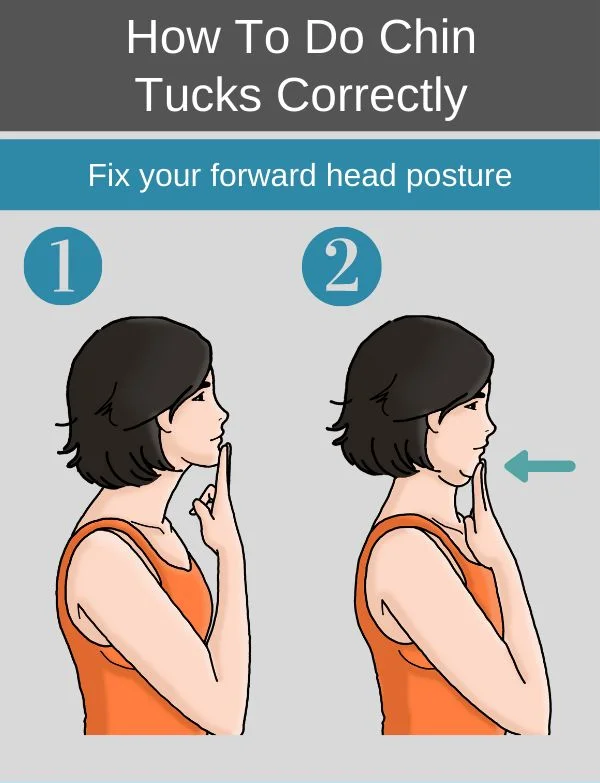
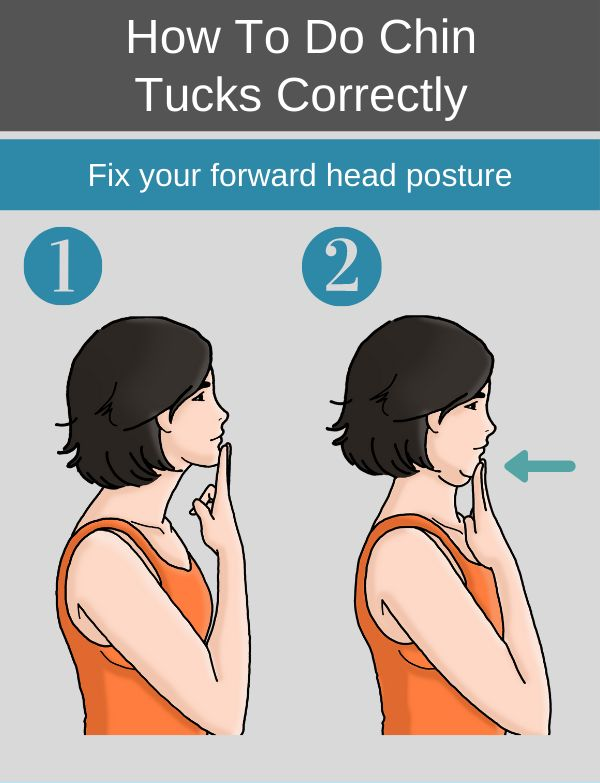
Exercise 1: Chin Tucks to Relieve Forward Head Posture
One of the most common posture problems among office workers is forward head posture.
Every few centimetres your head moves forward increases the load on your neck muscles.
How to Perform
- Sit upright.
- Keep your eyes looking straight ahead.
- Gently pull your chin backwards.
- Imagine creating a “double chin.”
- Hold for 5 seconds.
- Relax.
Repeat
10 repetitions × 2 sets.
Benefits
- Improves neck alignment
- Reduces neck strain
- Helps prevent tension headaches
- Strengthens deep neck muscles
Exercise 2: Shoulder Blade Squeezes
Long hours at a computer encourage rounded shoulders.
This exercise activates the muscles that improve posture.
Steps
- Sit tall.
- Pull both shoulder blades backwards.
- Avoid lifting your shoulders.
- Hold for 5–8 seconds.
- Relax slowly.
Repeat
15 repetitions.
Benefits
- Improves posture
- Reduces upper back fatigue
- Opens the chest
- Relieves shoulder tightness

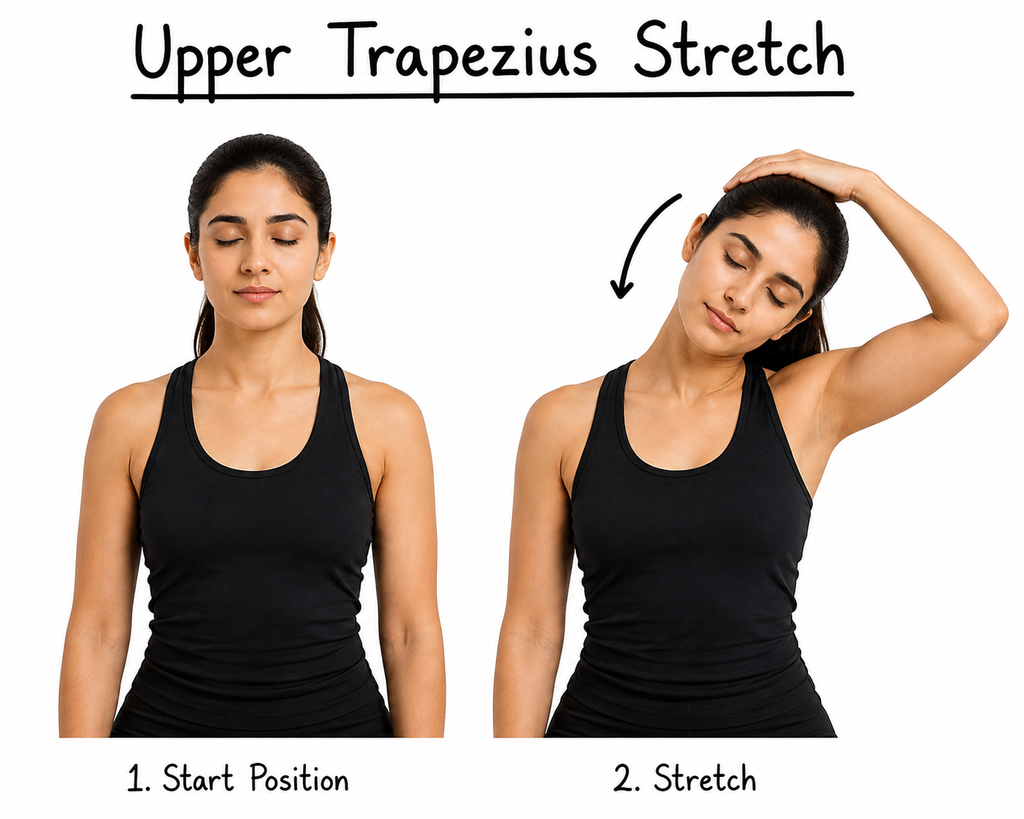
Exercise 3: Upper Trapezius Stretch
Many office workers unconsciously elevate their shoulders while typing.
This causes muscle tightness.
How to Stretch
- Sit comfortably.
- Tilt your head toward one shoulder.
- Use your hand to apply gentle pressure.
- Hold 20 seconds.
- Repeat on the opposite side.
Benefits
- Reduces neck stiffness
- Improves flexibility
- Relieves shoulder tension
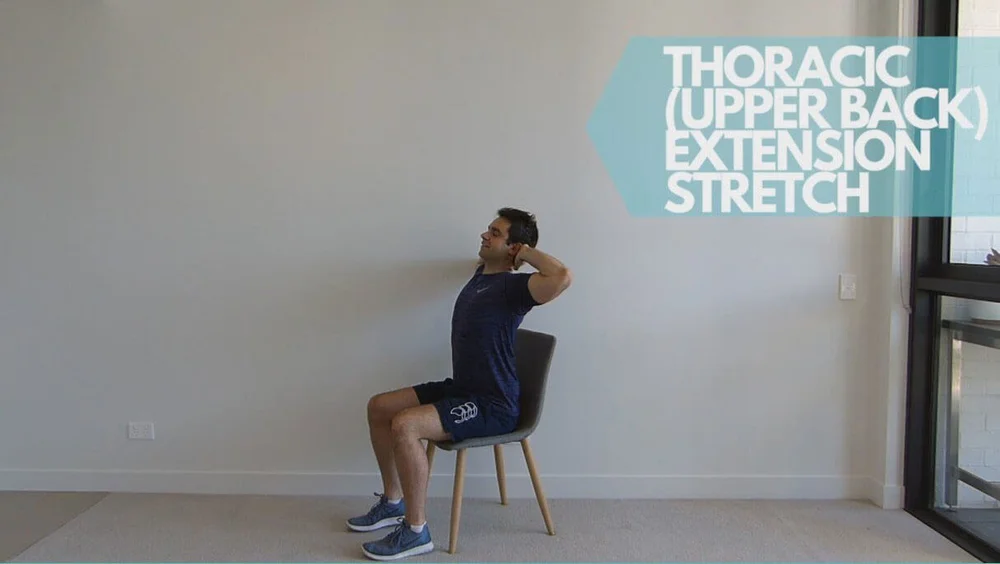
Exercise 4: Thoracic Extension Stretch
Your upper back naturally rounds while working on a laptop.
This stretch restores movement to the thoracic spine.
Steps
- Sit on a chair.
- Place both hands behind your head.
- Slowly lean backwards over the chair.
- Return gently.
Repeat
10 repetitions.
Benefits
- Improves upper-back mobility
- Encourages upright posture
- Reduces stiffness after prolonged sitting
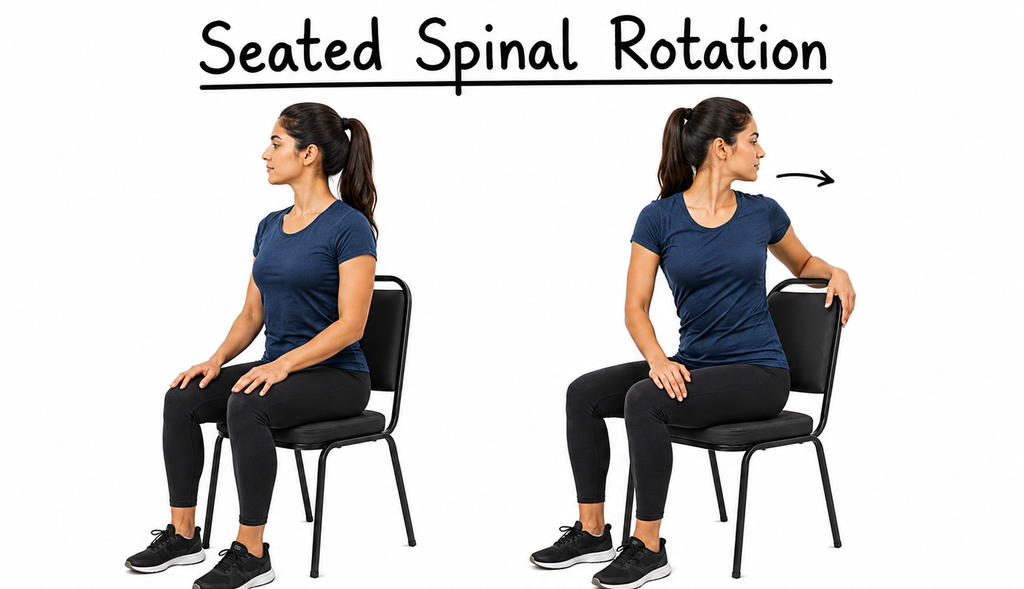
Exercise 5: Seated Spinal Rotation
Remaining in one position for hours reduces spinal mobility.
How to Perform
- Sit upright.
- Cross your arms.
- Slowly rotate toward one side.
- Hold for five seconds.
- Repeat on the opposite side.
Repeat
10 repetitions each side.
Benefits
- Maintains spinal flexibility
- Reduces stiffness
- Improves rotational movement
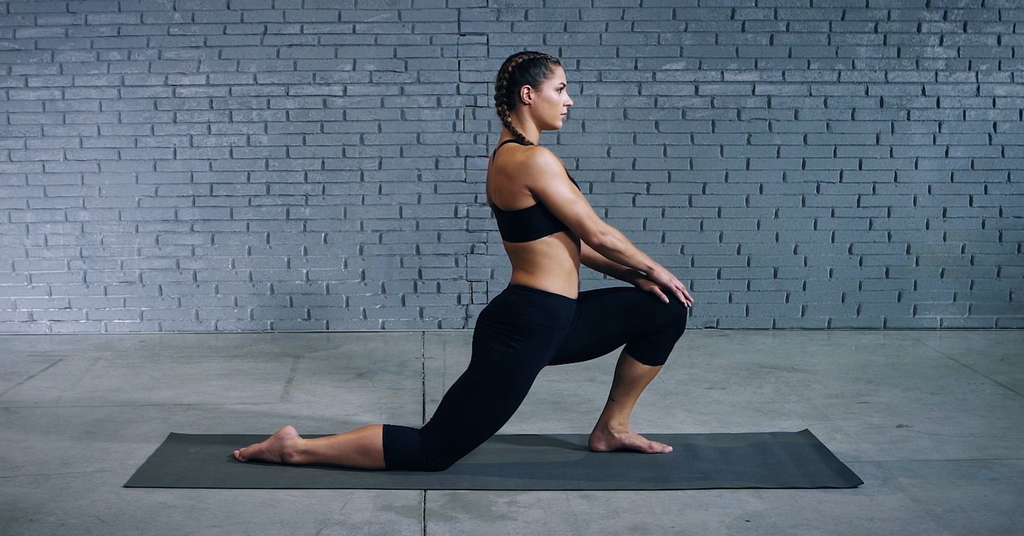
Exercise 6: Hip Flexor Stretch
Sitting shortens the muscles at the front of the hips.
These tight muscles often contribute to lower-back discomfort.
Steps
- Stand beside your desk.
- Take one leg backwards.
- Keep your body upright.
- Shift your weight forward.
- Hold for 20–30 seconds.
Benefits
- Opens the hips
- Improves posture
- Reduces lower-back stress
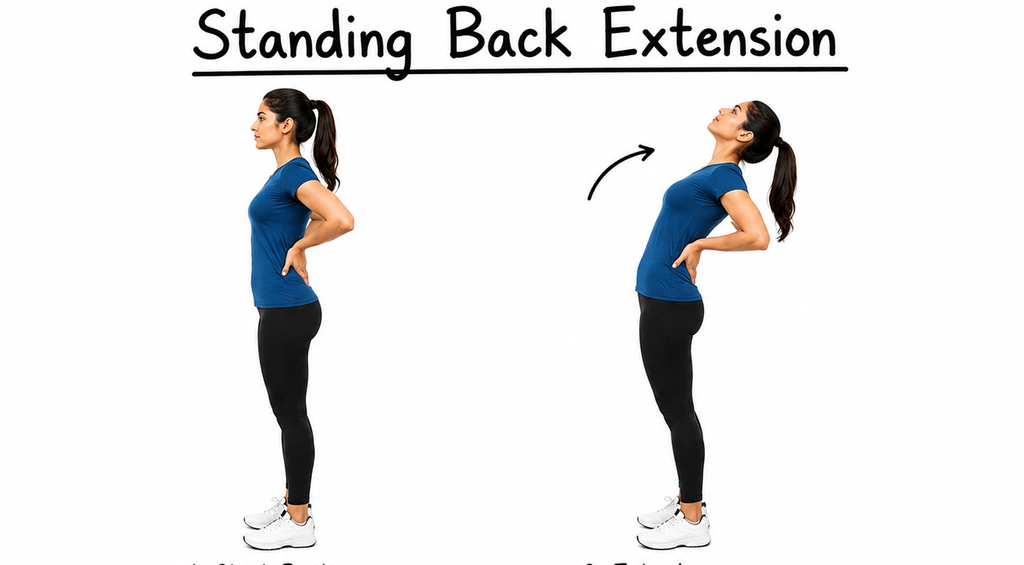
Exercise 7: Standing Back Extension
After prolonged sitting, the spine benefits from gentle extension.
How to Perform
- Stand upright.
- Place both hands on your hips.
- Slowly lean backwards.
- Hold for two seconds.
- Return.
Repeat
10 repetitions.
Benefits
- Reduces prolonged sitting stiffness
- Improves spinal mobility
- Relieves lower-back tightness
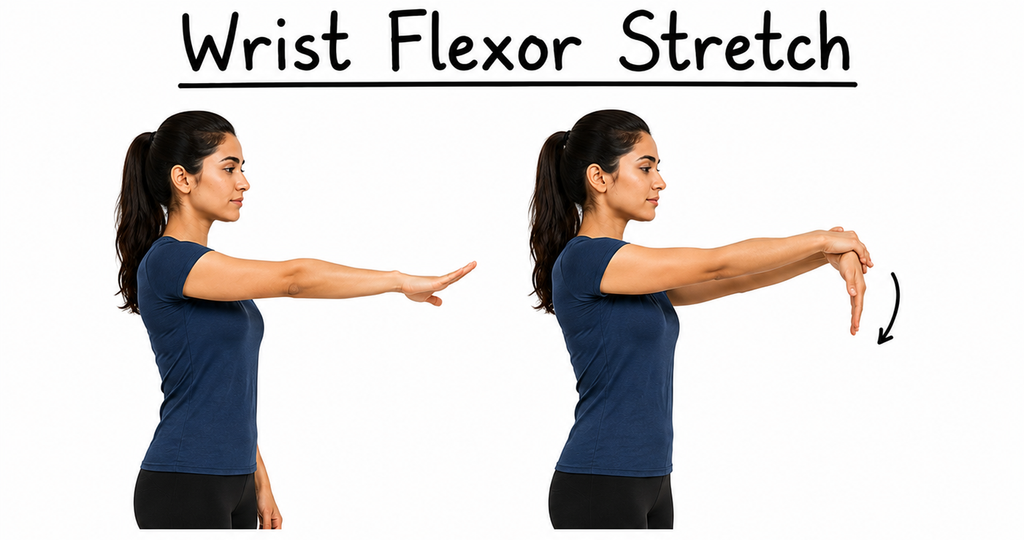
Exercise 8: Wrist Flexor Stretch
Typing continuously places repeated stress on the forearm muscles.
Steps
- Extend one arm.
- Keep your elbow straight.
- Pull your fingers backwards gently.
- Hold 20 seconds.
Repeat on the opposite hand.
Benefits
- Relieves wrist tightness
- Reduces forearm fatigue
- Helps prevent repetitive strain
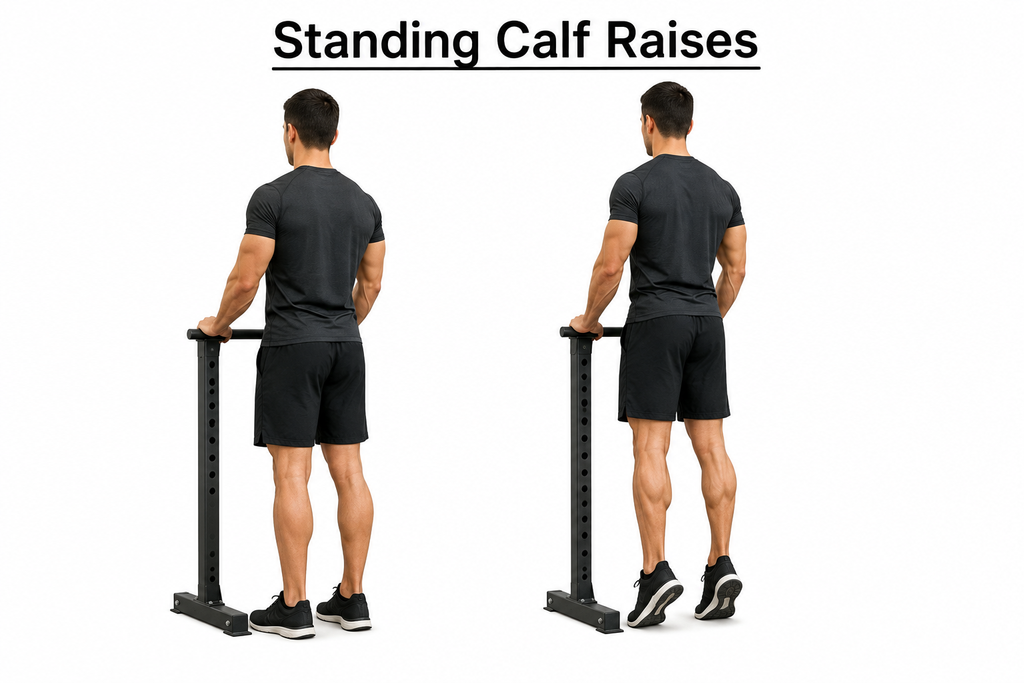
Exercise 9: Standing Calf Raises
Long sitting reduces circulation in the legs.
Steps
- Stand behind your chair.
- Rise onto your toes.
- Slowly lower.
Repeat
20 repetitions.
Benefits
- Improves blood circulation
- Activates calf muscles
- Reduces leg fatigue
- Supports ankle mobility
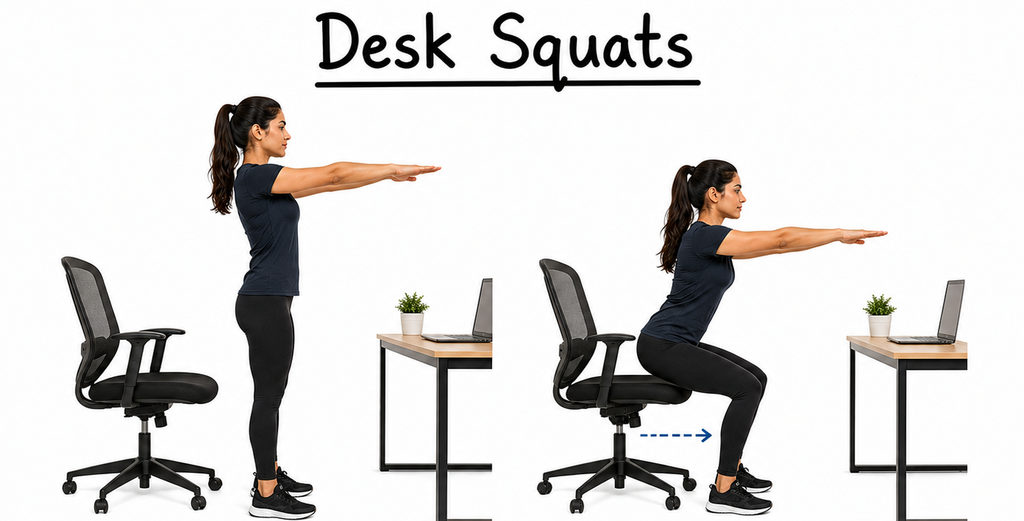
Exercise 10: Desk Squats
One of the simplest full-body exercises during office breaks.
How to Perform
- Stand in front of your chair.
- Lower yourself until you lightly touch the chair.
- Stand back up.
Repeat
10–15 repetitions.
Benefits
- Activates leg muscles
- Strengthens hips
- Improves circulation
- Breaks prolonged sitting
Even Five Minutes Every Hour Can Make a Difference
Many people believe they need an hour-long workout to offset a desk job.
In reality, regular movement breaks throughout the day are often just as important.
Aim to:
- Stand every 30–45 minutes.
- Walk during phone calls.
- Stretch between meetings.
- Use stairs whenever possible.
- Drink water regularly (which naturally encourages movement).
- Avoid sitting continuously for long periods.
These small habits may reduce stiffness before it becomes pain.
Your Workstation Might Be Creating Your Pain Without You Realising
Most office workers blame their chair when pain starts.
In reality, discomfort usually develops because of multiple small ergonomic mistakes repeated every day.
A monitor that’s too low forces you to bend your neck forward.
A keyboard that’s too high makes your shoulders stay elevated.
A laptop placed directly on the desk encourages rounded shoulders and a curved upper back.
Even crossing your legs for hours or keeping your wallet in your back pocket while sitting can gradually affect posture and increase strain on the lower back and hips.
Instead of changing only one piece of office furniture, a physiotherapist evaluates how your entire workstation interacts with your body.
Sometimes a few simple adjustments can dramatically reduce stress on your muscles and joints.
Stretching Feels Good—But It Doesn’t Always Solve the Problem
Many office workers stretch their neck whenever it becomes stiff.
The relief usually lasts only a few minutes.
Why?
Because the tight muscle is often not the real problem.
For example:
- Neck pain may actually begin because the deep neck muscles have become weak.
- Shoulder tightness may result from poor upper-back posture.
- Lower back pain may develop because tight hips and weak core muscles overload the spine.
- Wrist discomfort may be influenced by shoulder positioning rather than the wrist itself.
Physiotherapy doesn’t simply stretch the painful area.
It identifies why the muscle became overloaded in the first place and corrects the underlying movement pattern.
The ‘Movement Snacks’ Every Office Worker Should Build Into the Day
Just as healthy snacks keep your energy levels stable, short movement breaks keep your muscles active.
Instead of waiting until the end of the day to exercise, try adding small movement sessions throughout your workday.
Every 30–45 Minutes
- Stand up from your chair.
- Walk around your desk.
- Roll your shoulders backwards.
- Perform five chin tucks.
- Stretch your chest.
- Take a few deep breaths.
- Walk to refill your water bottle.
This routine takes less than two minutes but can significantly reduce prolonged muscle loading.
Consistency matters more than intensity.
When Is It Time to See a Physiotherapist Instead of Ignoring the Pain?
Occasional stiffness after a long meeting is common.
Persistent pain is not.
Consider seeking professional help if:
- Pain lasts for more than two weeks.
- Neck pain spreads into the arm.
- You experience tingling or numbness.
- Frequent headaches begin after work.
- Sitting becomes uncomfortable within a short time.
- Your posture is becoming increasingly rounded.
- Pain keeps returning despite stretching.
- Daily work productivity is affected.
Early treatment often prevents minor problems from becoming long-term conditions.
How Physiotherapy Helps Office Professionals Return to Comfortable Working
At Genesis Sports Physiotherapy Clinic, treatment goes far beyond temporary pain relief.
Your physiotherapist first understands how you work.
Questions may include:
- How many hours do you sit?
- Do you use one or two monitors?
- Laptop or desktop?
- Do you travel frequently?
- How often do you exercise?
- Which movements increase your pain?
- What are your work goals?
This information helps identify the real contributors to your symptoms.
Depending on your condition, your treatment programme may include:
- Postural correction
- Manual therapy
- Joint mobilisation
- Soft tissue release
- Core strengthening
- Neck stabilisation exercises
- Shoulder strengthening
- Mobility training
- Ergonomic education
- Functional exercise progression
- Home exercise programme
The objective is to help you work comfortably—not simply treat today’s pain.
Expert Care from Dr. Raina Ranney
At Genesis Sports Physiotherapy Clinic, Mumbai, office workers receive personalised care from Dr. Raina Ranney, who has a special interest in helping people overcome movement-related pain through evidence-based physiotherapy.
Dr. Raina completed her undergraduate degree in Physiotherapy from D. Y. Patil College before pursuing a Master’s Degree in Musculoskeletal Physiotherapy from the University of Melbourne, Australia.
Her advanced musculoskeletal training enables her to assess the relationship between posture, movement, muscle imbalance, workplace ergonomics, and pain.
Rather than treating only the painful area, she identifies the underlying mechanical factors contributing to recurring symptoms.
Her rehabilitation programmes focus on:
- Improving posture
- Restoring joint mobility
- Strengthening weak muscles
- Correcting movement patterns
- Reducing recurring pain
- Preventing future workplace injuries
Her goal is simple—to help professionals work productively without allowing their job to compromise their physical health.
Why Professionals Trust Genesis Sports Physiotherapy Clinic
Genesis Sports Physiotherapy Clinic has helped more than 1,000 patients improve movement, recover from pain, and return to active lifestyles.
What Makes Genesis Different?
- One-to-one physiotherapy sessions
- Evidence-based rehabilitation
- Hands-on treatment approach
- Comprehensive movement assessment
- Individual exercise programmes
- Workplace ergonomic advice
- Functional strengthening
- Long-term injury prevention strategies
- Modern physiotherapy techniques
- Patient education for lasting recovery
Every treatment programme is tailored to the individual’s work routine, lifestyle, and physical goals.
Frequently Asked Questions
1. How often should office workers stretch during the day?
Ideally, change your posture or move every 30–45 minutes. Even standing, walking for a minute, or performing simple physiotherapy exercises can reduce muscle stiffness caused by prolonged sitting.
2. Can office exercises improve my posture permanently?
Exercises can improve posture when combined with good workstation ergonomics and consistent movement habits. Long-term improvement depends on strengthening weak muscles and changing daily movement patterns.
3. I work from home. Do I still need ergonomic advice?
Yes. Many home workstations are not designed for prolonged computer use. Small adjustments to chair height, monitor position, and keyboard placement can significantly reduce neck and back strain.
4. Is walking enough if I sit all day?
Walking is excellent for overall health, but it may not fully address muscle imbalances caused by prolonged sitting. Specific strengthening and mobility exercises are often needed alongside regular walking.
5. Why does my neck hurt more in the evening?
As the day progresses, muscles that support your head and shoulders become fatigued, especially if you maintain poor posture. This accumulated strain often causes pain later in the day.
6. Should I stop going to the gym if I have office-related pain?
Not necessarily. Many people can continue exercising with modifications. A physiotherapist can advise which movements are appropriate and which should be temporarily adjusted.
7. Can physiotherapy help prevent future office injuries?
Yes. Physiotherapy not only treats existing pain but also identifies movement faults, muscle weaknesses, and ergonomic issues that may increase the risk of future problems.
8. Do I need pain before visiting a physiotherapist?
No. Many professionals seek physiotherapy for posture assessment, workstation advice, and preventive exercise programmes before significant pain develops.
Your Career Should Progress—Not Your Pain
A successful career shouldn’t come at the cost of your physical health.
The earlier you address poor posture, muscle tightness, and movement imbalances, the easier it is to prevent chronic neck pain, back pain, shoulder stiffness, and repetitive strain injuries.
With the right guidance, a few minutes of daily movement combined with expert physiotherapy can make a remarkable difference to the way you work and feel.
If you’re looking for Physiotherapy Exercises for Office Workers, expert ergonomic guidance, or personalised rehabilitation, consult Dr. Raina Ranney at Genesis Sports Physiotherapy Clinic, Mumbai.
Invest in your posture today—your future self will thank you.